
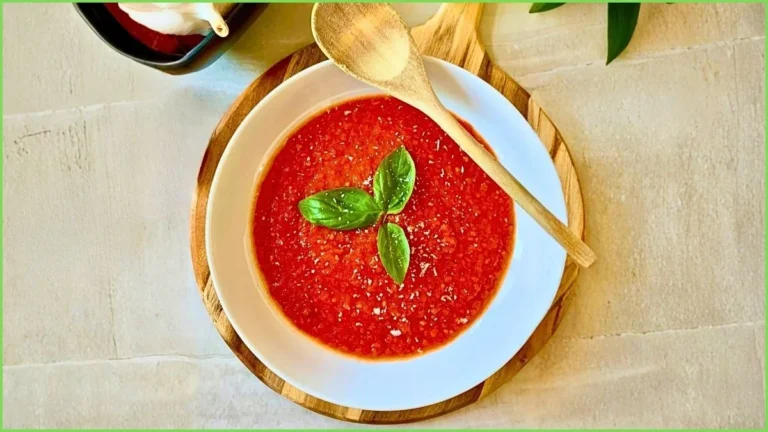

I still remember the first time I tasted Portillo’s Italian beef sandwich, and honestly, the marinara sauce stole the show. That rich, garlicky tomato flavor clinging to every bite made me obsess over recreating it at home.
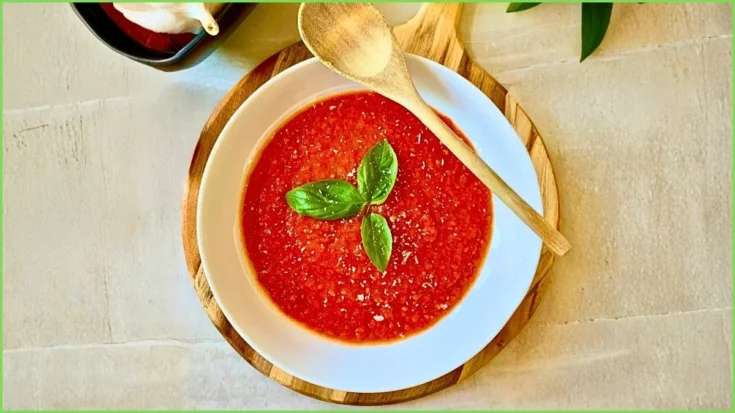
After a few kitchen experiments, I finally nailed a Portillo’s marinara sauce recipe that tastes just like the original – deep, savory, slightly sweet, with a gentle kick from red pepper flakes. It’s simple, made with pantry staples, and comes together in under an hour.
Whether you’re dipping bread, topping pasta, or making your own Italian beef at home, this sauce delivers that unmistakable Chicago flavor. Let’s dive into what makes it so special.
What Is This Food and Why Do Fans Love It?
Portillo’s marinara sauce is a rich, tomato-based Italian sauce known for its bold garlic flavor, subtle heat, and slow-simmered depth. Unlike a typical jarred marinara, this version leans savory rather than sweet, with whole tomatoes crushed down to a chunky-yet-smooth texture.
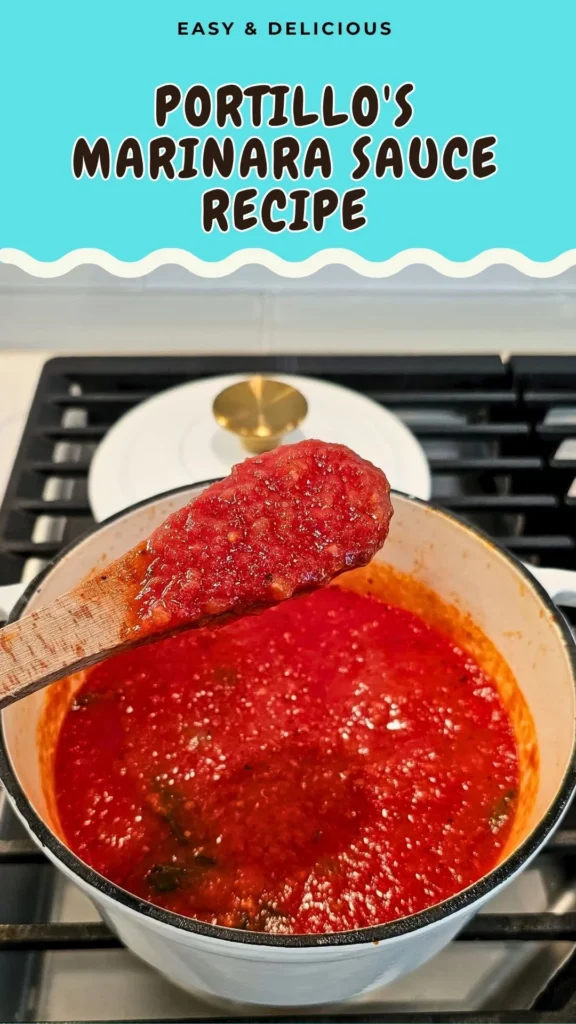
Fans often compare it to a classic Italian-American red sauce, but what sets Portillo’s marinara sauce apart is its simplicity – no sugar, no heavy herbs overload, just onion, garlic, tomatoes, oregano, and fresh basil working in harmony. It pairs perfectly with Italian beef sandwiches, giving that signature “dip” or “wet” style so many Chicago natives crave.
People love it because it feels homemade, not processed, and it strikes the right balance between acidity and richness without overpowering whatever dish it accompanies.
The Nostalgic History Behind This Food
Marinara sauce has roots in Southern Italy, traditionally made with simple ingredients like tomatoes, garlic, and herbs, designed to cook quickly for weeknight meals.
When Italian immigrants brought their cooking traditions to Chicago, sauces like this became the backbone of Italian-American comfort food, especially in beef and sausage sandwich shops.
Portillo’s marinara sauce recipe reflects that same nostalgic, no-fuss approach – nothing fancy, just deeply flavorful ingredients simmered low and slow.
Over the decades, many fast-casual chains phased out scratch-made sauces in favor of quicker, mass-produced versions loaded with preservatives and added sugar.
Portillo’s, however, kept things closer to tradition, which is part of why loyal customers still crave that original taste. This recipe captures that same old-school simplicity, distinguishing it from newer, overly sweetened marinara varieties found on grocery shelves today.
Key Ingredients That Give This Food Its Signature Flavor
The magic behind Portillo’s marinara sauce recipe comes down to a handful of well-chosen ingredients. Whole peeled tomatoes form the base, offering a fresher, less processed taste than crushed or pureed varieties.
Onion and garlic build the aromatic foundation, slowly softened in olive oil to release natural sweetness and depth. A pinch of red pepper flakes adds subtle warmth without making the sauce spicy, while dried oregano brings that classic Italian herb note.
Fresh basil, simmered whole and removed at the end, infuses the sauce with a light, fragrant sweetness that dried basil simply can’t replicate. Salt and black pepper round everything out, enhancing rather than masking the tomatoes’ natural flavor.
Together, these ingredients create a sauce that’s savory, slightly earthy, and perfectly balanced – exactly the flavor profile that makes Portillo’s marinara sauce so memorable and craveable.
Portillo’s Marinara Sauce Recipe Ingredients
Here’s everything you’ll need to make this Portillo’s marinara sauce recipe at home:
- 2 tablespoons olive oil – Use a good-quality extra virgin olive oil for the best flavor base.
- 1 medium onion, finely chopped – Yellow onion works best for a mild, sweet aromatic base.
- 4–5 garlic cloves, minced – Fresh garlic is essential; avoid jarred garlic for the most authentic taste.
- 1 pinch red pepper flakes (optional) – Adds subtle heat; skip it for a completely mild sauce.
- 1 can (28 oz / 800 g) whole peeled tomatoes – San Marzano tomatoes give the richest, most authentic flavor.
- 1 teaspoon dried oregano – A staple Italian herb; you can substitute Italian seasoning in a pinch.
- 1 fresh basil sprig – Fresh basil is key for aroma; dried basil can be used but will taste less vibrant.
- Salt, to taste – Adjust based on your tomatoes’ natural sodium content.
- Black pepper, to taste – Freshly ground pepper adds the best flavor.
- 2–4 tablespoons water (only if needed) – Helps thin the sauce if blending makes it too thick.
Tools You Need to Make This Recipe at Home
- Large saucepan
- Cutting board and knife
- Wooden spoon or spatula
- Potato masher (or spoon, for crushing tomatoes)
- Immersion blender or standard blender (optional, for a smoother texture)
- Measuring spoons
Preparation and Cooking Time
Prep Time: 10 minutes
Cook Time: 50 minutes
Total Time: 1 hour
How to Make Portillo’s Marinara Sauce
1. Sauté the Onion
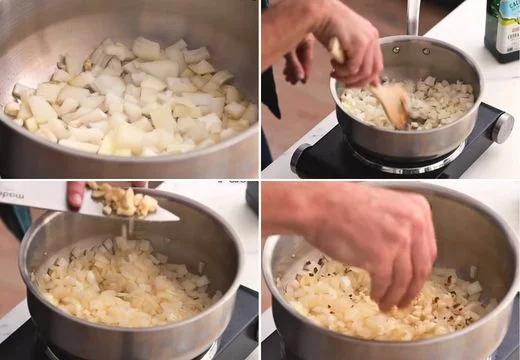
Heat olive oil in a large saucepan over medium heat. Add the chopped onion and cook for about 4 minutes, stirring occasionally, until soft and translucent.
2. Add Garlic and Red Pepper Flakes
Stir in the minced garlic and a pinch of red pepper flakes. Cook for 1 minute, stirring constantly, until fragrant.
3. Add the Tomatoes
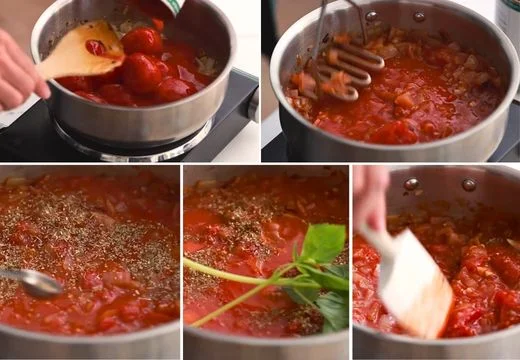
Pour in the whole tomatoes with their juices. Crush them with a spatula, potato masher, or spoon until broken into smaller pieces.
4. Season the Sauce
Stir in the oregano and add the basil sprig, mixing well to combine.
5. Simmer
Reduce heat to low and let the sauce simmer gently for 45 minutes, stirring occasionally.
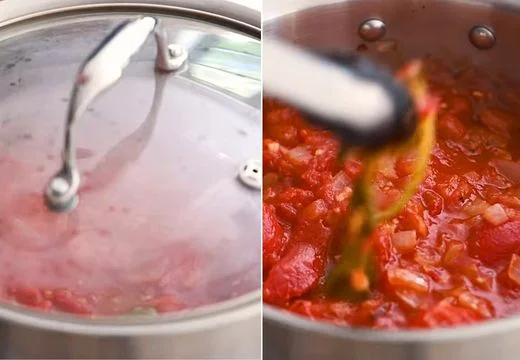
6. Remove the Basil
Once simmering is done, remove and discard the basil sprig.
7. Blend (Optional)
For a smoother texture, use an immersion blender or carefully transfer to a blender. Add water if the sauce is too thick.
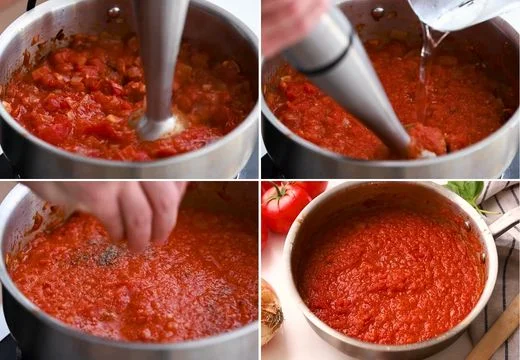
8. Season to Taste
Add salt and black pepper, stir well, and simmer for another minute if needed.
Pro Tips for Getting the Flavor Just Right
Getting your Portillo’s marinara sauce recipe just right comes down to a few key techniques. First, don’t rush the onions – cooking them low and slow until truly translucent builds a sweeter, deeper base flavor. Skipping this step often leads to a sauce that tastes flat or overly acidic.
Second, add garlic only after the onions have softened; garlic burns quickly and turns bitter if added too early or cooked over high heat. When crushing your tomatoes, avoid over-blending before simmering – texture develops better when the tomatoes break down naturally during cooking.
Always simmer on low heat, not medium or high, since a gentle simmer allows flavors to meld without scorching the bottom of the pan. Fresh basil should go in as a whole sprig, not chopped, so it infuses flavor without turning the sauce bitter or overly herby.
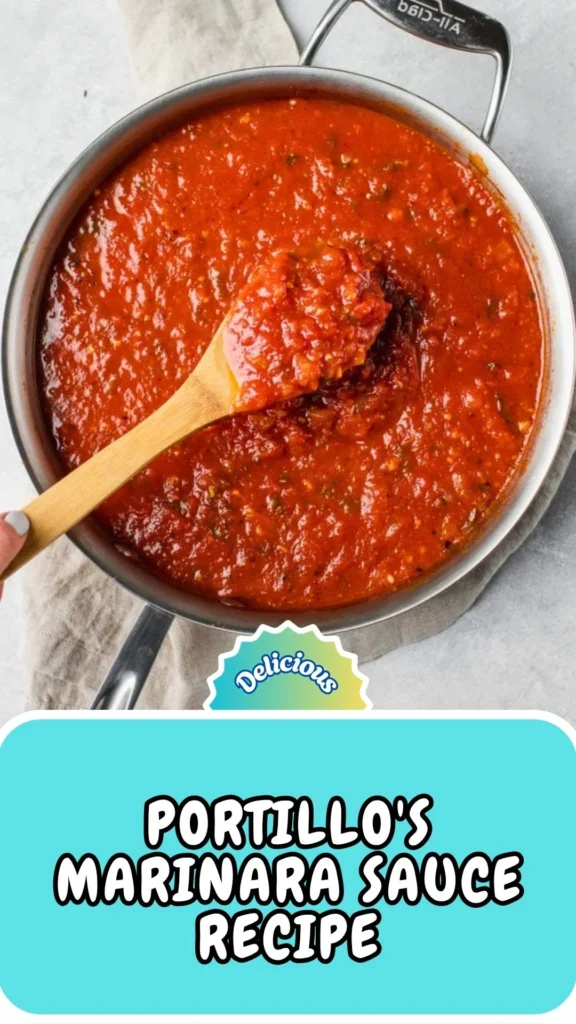
Taste and adjust seasoning at the very end, since simmering concentrates flavors over time – salt added too early can make the final sauce taste overly salty. Lastly, if your sauce tastes too acidic, a small pinch of sugar or a touch of butter stirred in at the end can help balance it out without straying from the original flavor profile.
Easy Variations to Customize This Food
While this Portillo’s marinara sauce recipe is delicious as-is, there’s plenty of room to customize it. For a spicier version, increase the red pepper flakes or add a dash of cayenne.
If you prefer a heartier sauce, stir in cooked ground beef or Italian sausage to turn it into a meat sauce perfect for pasta. For extra richness, add a tablespoon of butter or a splash of heavy cream at the end. Herb lovers can mix in fresh parsley or a touch of thyme alongside the basil.
Vegetable additions like sautéed bell peppers or mushrooms also work well, adding texture and flavor while keeping the sauce’s signature taste intact.
Best Ways to Use This Sauce in Your Meals
This Portillo’s marinara sauce recipe is incredibly versatile, making it perfect for more than just pasta night. Its most iconic use is as a dip or topping for Italian beef sandwiches – try it “wet style” by dunking the whole sandwich, or “dipped” for just a light soak of flavor.
It also works beautifully as a base for homemade pizza, giving your crust that same bold, garlicky tomato taste. Toss it with spaghetti, penne, or rigatoni for a quick weeknight dinner, or layer it into baked ziti or lasagna for extra depth.
Use it as a dipping sauce for mozzarella sticks, garlic bread, or fried ravioli as a simple appetizer. It also makes a fantastic base for shakshuka, meatball subs, or even as a simmering sauce for chicken parmesan.
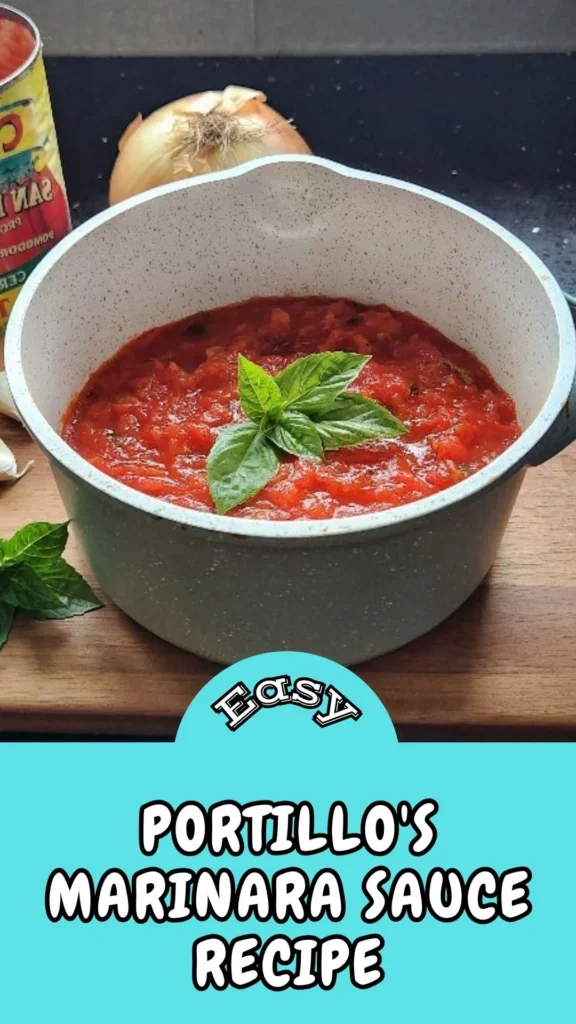
Since the flavor is rich but not overly sweet, it pairs well with a variety of proteins, including sausage, meatballs, and grilled chicken. However you serve it, this sauce brings that same nostalgic, comforting flavor to whatever dish it touches.
How to Store and Keep It Fresh
Store your Portillo’s marinara sauce recipe in an airtight container in the refrigerator for up to 5 days. For longer storage, freeze it in a freezer-safe container or bag for up to 3 months.
To reheat, warm the sauce gently on the stovetop over low heat, stirring occasionally, or microwave in short intervals, stirring between each. Add a splash of water if the sauce thickens too much after refrigeration or freezing.
Nutrition Facts and Dietary Notes
A typical serving of this Portillo’s marinara sauce recipe (about ½ cup) contains roughly 70–90 calories, depending on the amount of olive oil used. It’s naturally vegan, gluten-free, and dairy-free, making it suitable for most dietary needs.
For a keto-friendly version, simply check that your canned tomatoes don’t contain added sugar. The sauce is also a good source of lycopene from the tomatoes, along with antioxidants from garlic and olive oil, supporting heart health when enjoyed as part of a balanced diet.
Portillo's Marinara Sauce Recipe
I still remember the first time I tasted Portillo’s Italian beef sandwich, and honestly, the marinara sauce stole the show. That rich, garlicky tomato flavor clinging to every bite made me obsess over recreating it at home.
Ingredients
- 2 tablespoons olive oil
- 1 medium onion
- 4–5 garlic cloves
- 1 pinch red pepper flakes
- 1 can (28 oz / 800 g) whole peeled tomatoes
- 1 teaspoon dried oregano
- 1 fresh basil sprig
- Salt
- Black pepper
- 2–4 tablespoons water
Instructions
1. Sauté the Onion
Heat olive oil in a large saucepan over medium heat. Add the chopped onion and cook for about 4 minutes, stirring occasionally, until soft and translucent.
2. Add Garlic and Red Pepper Flakes
Stir in the minced garlic and a pinch of red pepper flakes. Cook for 1 minute, stirring constantly, until fragrant.
3. Add the Tomatoes
Pour in the whole tomatoes with their juices. Crush them with a spatula, potato masher, or spoon until broken into smaller pieces.
4. Season the Sauce
Stir in the oregano and add the basil sprig, mixing well to combine.
5. Simmer
Reduce heat to low and let the sauce simmer gently for 45 minutes, stirring occasionally.
6. Remove the Basil
Once simmering is done, remove and discard the basil sprig.
7. Blend (Optional)
For a smoother texture, use an immersion blender or carefully transfer to a blender. Add water if the sauce is too thick.
8. Season to Taste
Add salt and black pepper, stir well, and simmer for another minute if needed.
Notes
Store your Portillo’s marinara sauce recipe in an airtight container in the refrigerator for up to 5 days. For longer storage, freeze it in a freezer-safe container or bag for up to 3 months.
To reheat, warm the sauce gently on the stovetop over low heat, stirring occasionally, or microwave in short intervals, stirring between each. Add a splash of water if the sauce thickens too much after refrigeration or freezing.
Nutrition Information:
Yield:
4Serving Size:
1Amount Per Serving: Calories: 90
Portillo’s Marinara Sauce Recipe FAQs
When you give this Portillo’s Marinara Sauce Recipe a try, you might have a few questions. Don’t worry-we’ve rounded up answers to the most common ones to help you out.
1. Can I use fresh tomatoes instead of canned for this Portillo’s marinara sauce recipe?
Yes, though canned whole tomatoes offer more consistent flavor and texture year-round; if using fresh, choose very ripe, in-season tomatoes.
2. Why does my sauce taste too acidic?
A small pinch of sugar or a bit of butter stirred in at the end can help balance the acidity.
3. Can I make this sauce ahead of time?
Absolutely – it actually tastes better the next day, once the flavors have had time to meld.
4. Is this sauce spicy?
Not really; the red pepper flakes add just a subtle warmth, and they’re optional if you prefer no heat at all.
5. Can I double the recipe?
Yes, simply double all ingredients and use a larger pot, keeping the simmer time the same.
And there you have it – a simple, flavorful Portillo’s marinara sauce recipe you can make right in your own kitchen. Whether you’re using it for Italian beef sandwiches, pasta night, or as a dipping sauce, this recipe brings that same nostalgic, comforting flavor home.
I’d love to hear how yours turns out, so drop a comment below with your results or any twists you tried. And if you’re craving more copycat classics, check out our other recipes for more homemade favorites.
You can also follow us on Pinterest, and YouTube for more delicious updates and kitchen inspiration. Your feedback and support mean the world to us!