
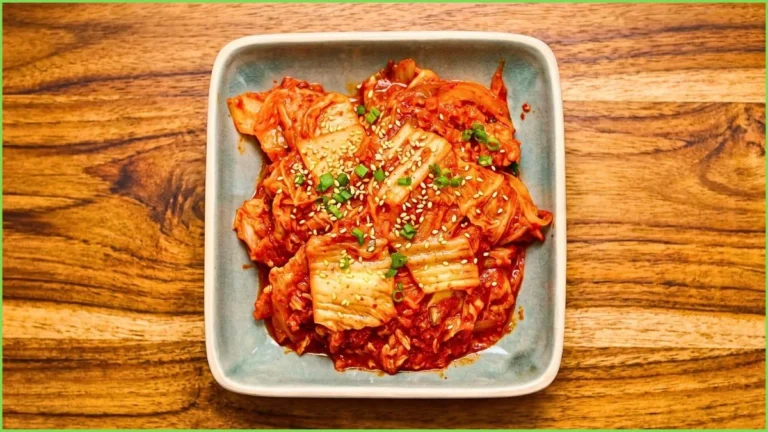

Homemade kimchi is a flavorful way to enjoy fermented vegetables, and adding Korean gochujang paste gives this version a distinctive spicy, savory character. This gochujang kimchi recipe combines crunchy napa cabbage, crisp daikon radish, fresh green onions, garlic, and ginger with a rich mixture of gochujang, soy sauce, and sugar. The result is a bold condiment that can complement many everyday meals.
One of the best things about making kimchi at home is that you can control its fermentation time and sourness. After preparing the vegetables and seasoning, you simply pack everything into a clean jar and let the flavors develop.
Whether you’re exploring homemade Korean-inspired dishes or looking for a different way to prepare cabbage, this recipe offers a straightforward approach using accessible ingredients and simple steps.
What Is Gochujang Kimchi and What Does It Taste Like?
Gochujang kimchi is a cabbage-based fermented vegetable preparation that uses gochujang, a Korean red chili paste, as a central seasoning ingredient. In this recipe, napa cabbage provides the main vegetable base, while daikon radish adds another layer of texture. Green onions, garlic, and ginger contribute fresh, aromatic flavors.
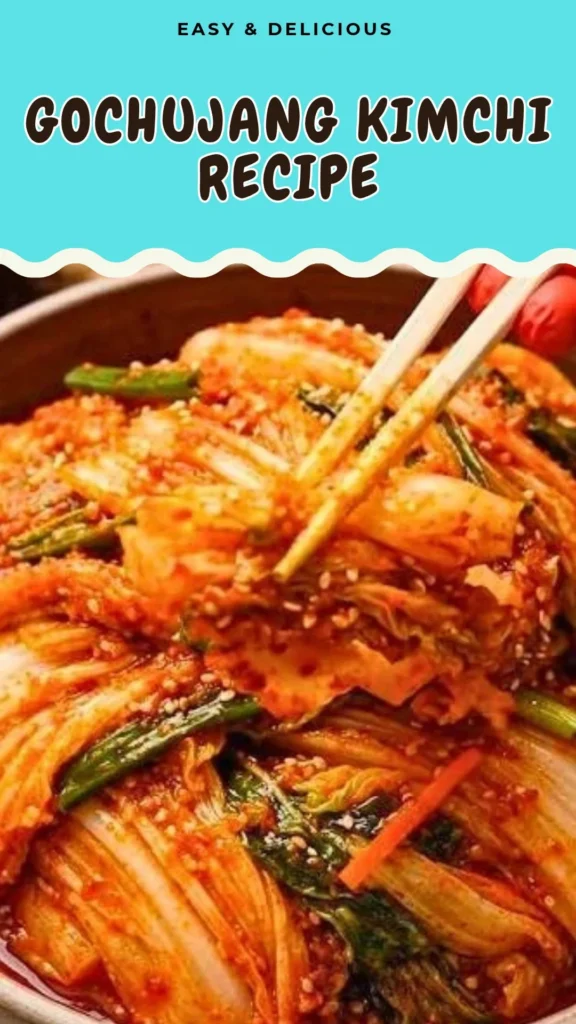
The taste combines spicy, savory, sweet, and tangy notes. Gochujang brings a deep chili flavor, soy sauce adds saltiness and umami, and sugar balances the seasoning. As fermentation progresses, the mixture develops a more noticeable sourness. You can leave it at room temperature for a few days to reach your preferred level of tanginess before refrigerating it.
The texture is another appealing feature. Napa cabbage becomes seasoned throughout, while the radish contributes a firmer bite. The finished kimchi can be served alongside rice, noodles, or other savory dishes. Its flavor continues to develop during refrigerated storage, making each batch a little different depending on fermentation time.
The Nostalgic History Behind This Gochujang Kimchi
Kimchi is a traditional Korean fermented vegetable food with a long history of preserving seasonal produce. Cabbage and radish are common ingredients, and fermentation allows vegetables to develop a distinctive sour flavor while providing a way to store them for later meals.
Traditional kimchi recipes vary according to region, household, ingredients, and preparation methods. Many familiar versions use a seasoning mixture containing Korean chili flakes, garlic, ginger, and other ingredients. These seasonings coat the vegetables before fermentation, creating the characteristic flavors associated with kimchi.
This gochujang kimchi recipe takes a slightly different approach by using gochujang paste alongside soy sauce and sugar. Instead of relying exclusively on the traditional seasoning combinations found in many kimchi preparations, it uses a prepared chili paste to create a rich, savory coating. The exact flavor will depend on the gochujang used and how long the vegetables ferment.
Rather than representing a documented historical replacement for traditional kimchi, this recipe is best understood as a modern variation. It preserves the familiar cabbage-and-radish foundation while offering a convenient alternative for cooks who want to experiment with a different chili seasoning.
Ingredients for Gochujang Kimchi
This recipe uses napa cabbage, daikon radish, aromatics, and a gochujang-based seasoning mixture. The quantities below make one batch; the final yield will depend on how tightly the vegetables are packed.
Vegetables
- 900 g napa cabbage (Chinese cabbage)
- 400 g white radish or daikon, chopped or julienned
- 4 green onions, chopped
Aromatics and seasoning
- 4 large garlic cloves, pressed or minced
- 3.5 cm (about 1½ inches) fresh ginger, grated
- 5 tablespoons non-iodized salt, preferably kosher or sea salt
- Water, enough to cover the cabbage
Gochujang kimchi paste
- 4 tablespoons gochujang paste
- 3 tablespoons soy sauce, or tamari for a gluten-free alternative
- 2 tablespoons granulated sugar
Kitchen Utensils
-
Large bowl for salting the cabbage
-
Plate and a heavy object to weigh down the cabbage
-
Colander for draining
-
Sharp knife and cutting board
-
Grater or garlic press
-
Mixing bowl and mixing spoon
-
Food-safe gloves for mixing
-
Clean, large fermentation jar
Preparation and Cooking Time
Preparation Time: 25 minutes for chopping, grating, and mixing the ingredients.
Salting Time: 3 hours to let the cabbage rest in salted water.
Initial Fermentation: 1–3 days at room temperature.
Active Cooking Time: None
How to Make Gochujang Kimchi
Just follow this simple step by step guideline to make your homemade version of Gochujang Kimchi in a delicious way.
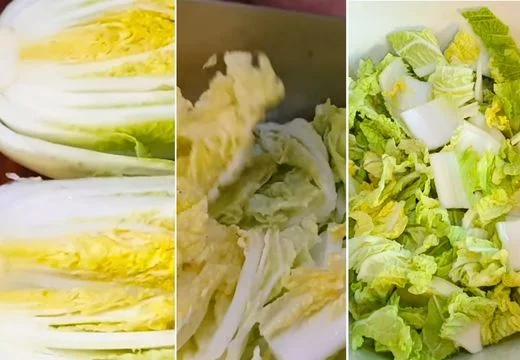
Step 1: Cut the cabbage
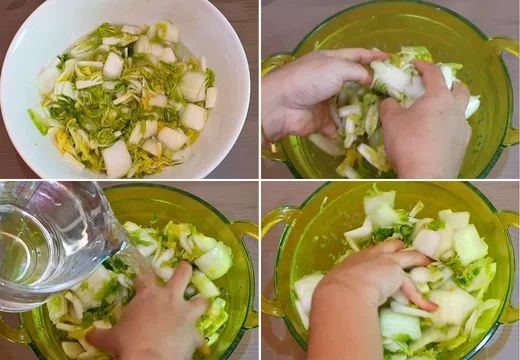
Cut the napa cabbage lengthwise into quarters, then chop it into roughly 5 cm (2-inch) pieces. Place the cabbage in a large bowl with the salt.
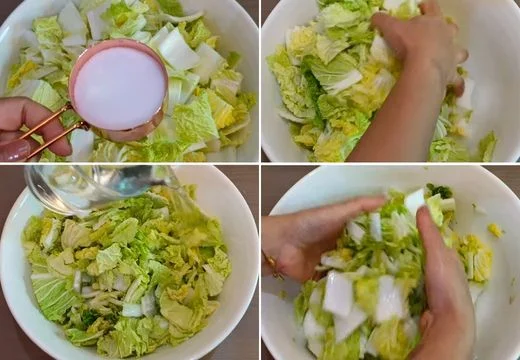
Step 2: Salt the cabbage
Add enough water to cover the cabbage completely. Stir well, cover with a plate, and place a heavy object on top. Let the cabbage sit for 3 hours.
Step 3: Drain thoroughly
Transfer the cabbage to a colander and let it drain for about 15 minutes. If it tastes too salty, rinse it once or twice and drain it well again.
Step 4: Prepare the seasoning mixture
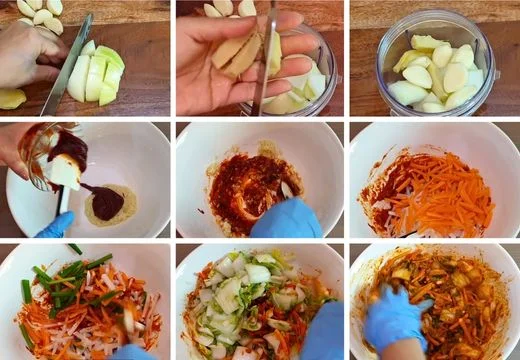
Add the drained cabbage, daikon, green onions, garlic, ginger, sugar, soy sauce, and gochujang paste to a large bowl. Wear gloves and mix until the vegetables are evenly coated.
Step 5: Pack the jar
Transfer the seasoned vegetables to a clean, food-safe jar. Press them down firmly to remove air pockets. Avoid overfilling; leave enough headspace for the mixture to expand during fermentation.

Step 6: Ferment and refrigerate
Allow the kimchi to ferment at room temperature for approximately 1–3 days, checking its progress and sourness. Once it reaches your preferred flavor, refrigerate it to slow fermentation.
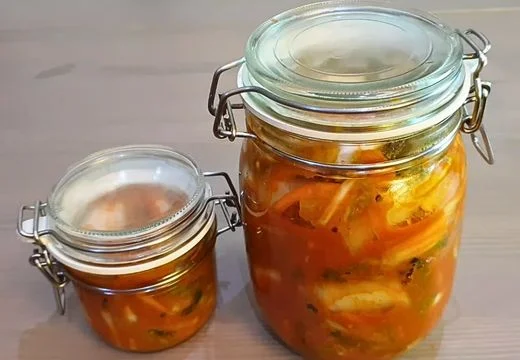
Use a fermentation-appropriate lid and follow safe fermentation practices.
What Makes This Gochujang Kimchi Different?
The defining feature of this recipe is its gochujang-based seasoning. Gochujang adds a concentrated chili flavor with savory depth and sweetness, while soy sauce reinforces the umami character. A small amount of granulated sugar balances the stronger flavors without requiring a complicated seasoning mixture.
The preparation also keeps the vegetable combination simple: napa cabbage provides the main body, and daikon adds a contrasting texture. Garlic, ginger, and green onions help bring freshness and aromatic intensity to the mixture.
Salting the cabbage before adding the paste is an important part of the method. It gives the cabbage time to release moisture and become seasoned before the other ingredients are mixed in. The subsequent fermentation develops additional tanginess, so the finished result tastes different from freshly mixed, unfermented vegetables.
Customization and Pairing Ideas for Gochujang Kimchi
This kimchi recipe is easy to adapt to different meals and personal flavor preferences. Keep the main ingredient proportions consistent when making your first batch, then experiment with small changes.
1. Serve it with steamed rice
Pair the spicy, savory kimchi with a bowl of plain rice. The mild flavor of rice complements the strong seasoning and provides a simple everyday serving option.
2. Add it to noodle bowls
Spoon a small amount beside a bowl of noodles. The combination of cabbage, daikon, and gochujang seasoning brings variety to the meal without requiring another sauce.
3. Pair it with grilled vegetables
Serve the kimchi alongside grilled or roasted vegetables for a contrast between the seasoned fermented cabbage and the cooked vegetables.
4. Adjust the fermentation time
Try the shorter end of the recommended 1–3-day room-temperature period for a less sour flavor, or allow more time within that range for a tangier result. Check the fermentation progress rather than relying on time alone.
5. Choose tamari for a gluten-free adaptation
Replace the soy sauce with tamari labeled gluten-free. Check the gochujang and other ingredient labels as well, because their formulations can vary.
6. Cut the radish to suit your preferred texture
Julienne the daikon for thin, easy-to-mix pieces or chop it into small cubes for more noticeable bites. Keep the pieces reasonably uniform so they mix evenly with the cabbage.
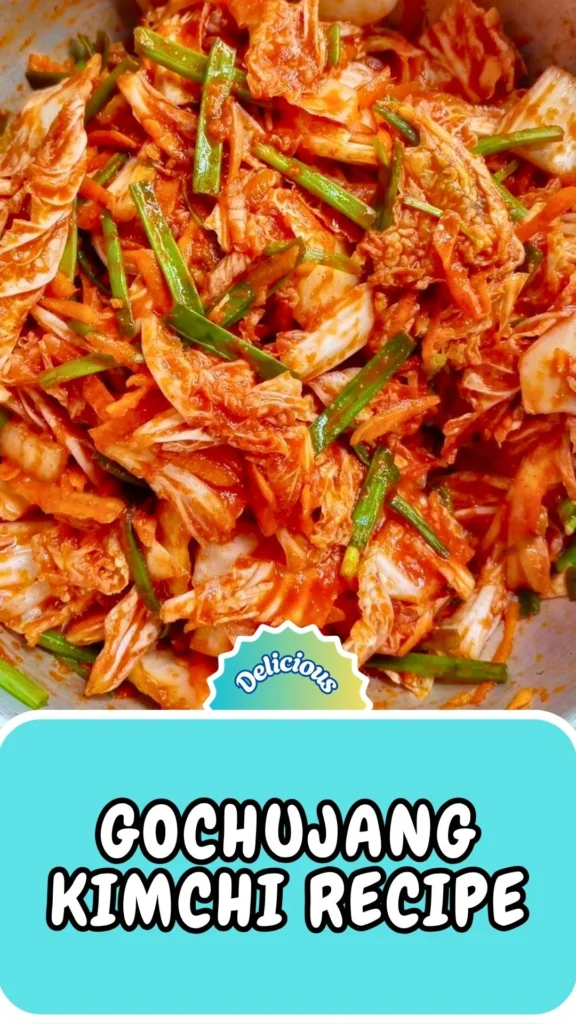
7. Use it as a flavorful side dish
Serve small portions with savory meals, rice dishes, or noodle-based lunches. Its spicy, sweet, salty, and tangy flavors can complement relatively mild main dishes.
These ideas preserve the central character of gochujang kimchi while allowing you to adjust the way you serve it. For the best first batch, follow the original ingredient quantities and change only one element at a time.
Expert Tips for Best Gochujang Kimchi Recipe
A few practical details can make preparing this gochujang kimchi recipe easier and help you achieve a more consistent flavor.
1. Use the recommended salt
Non-iodized kosher or sea salt is preferred for this recipe. Measure carefully because the cabbage’s salt level affects the flavor of the finished mixture
2. Make sure the cabbage is covered during salting
Add enough water to submerge the cabbage, then use a plate and weight to keep it under the liquid. This helps the cabbage salt more evenly.
3. Drain the cabbage well
After the three-hour salting period, allow approximately 15 minutes for draining. Excess water can dilute the gochujang kimchi paste and make it harder for the seasoning to cling to the vegetables.
4. Taste before adding more salt
The cabbage has already been salted, and soy sauce contributes additional saltiness. If the drained cabbage tastes too salty, rinse it once or twice and drain it thoroughly before mixing.
5. Wear gloves when mixing
Gochujang can leave a strong color on your hands, and direct contact with chili seasoning may irritate sensitive skin. Gloves also make it easier to coat the cabbage evenly.
6. Pack the jar carefully
Press the vegetables down to reduce air pockets, but leave headspace for expansion. Use a clean, food-safe container and an appropriate lid, and avoid sealing an actively fermenting jar in a way that traps pressure.

7. Monitor fermentation instead of watching the clock alone
The recipe suggests 1–3 days at room temperature, but the rate of fermentation depends on conditions such as temperature and the ingredients. Check the progress regularly, refrigerate when the flavor reaches your preference, and discard the batch if you notice mold, unusual discoloration, or a putrid smell. For reliable food safety, use a tested fermentation method and appropriate acidity guidance rather than relying on appearance or smell alone.
These tips focus on the parts of the process that matter most: salting, draining, even seasoning, clean handling, and careful fermentation. Paying attention to each stage can help you produce a more balanced batch.
How to serve gochujang kimchi
Kimchi with steamed rice
Serve a small bowl alongside warm white rice, fried eggs, tofu, or grilled vegetables for an easy meal.
Gochujang kimchi fried rice
Chop the kimchi and stir-fry it with cooked rice, a little oil, soy sauce, and spring onions.
Kimchi ramen
Add a spoonful of kimchi to ramen or noodle soup for extra tang, spice, and crunch.
Kimchi pancakes
Mix chopped, well-seasoned kimchi into pancake batter and pan-fry until crisp and golden.
Storage and Reheating Guidance
Transfer the finished kimchi to a clean, food-safe jar and refrigerate it once it reaches your preferred level of fermentation. Its flavor will continue to develop in the fridge. Always use clean utensils when serving and keep the jar refrigerated between uses. Kimchi is generally served cold or at room temperature, so reheating is unnecessary. If you notice mold, a putrid smell, or other signs of spoilage, discard it.
Gochujang Kimchi Nutrition Facts and Dietary Notes
Calories will depend on the exact gochujang, soy sauce, sugar, and serving size used; calculate a reliable estimate from the product labels and total batch yield. Napa cabbage and daikon contribute vegetables and dietary fiber, while garlic and ginger add flavor. For a gluten-free version, use certified gluten-free tamari and verify the gochujang label.
The recipe is not vegan by default unless every condiment is plant-based, so check ingredient labels. A keto adaptation would require reducing or replacing the sugar and checking the carbohydrate content of the gochujang.
Gochujang Kimchi Recipe
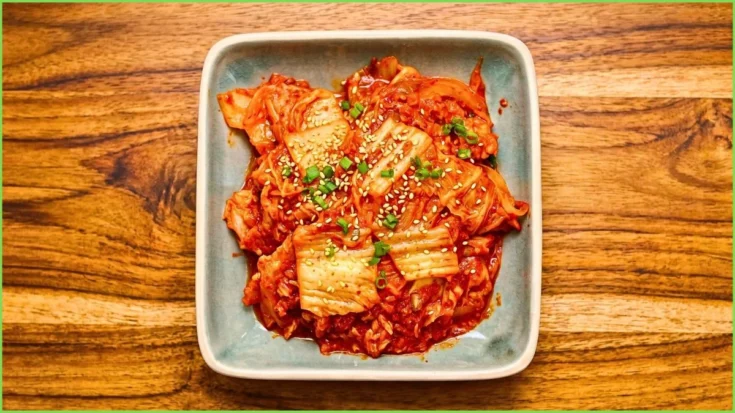
Homemade kimchi is a flavorful way to enjoy fermented vegetables, and adding Korean gochujang paste gives this version a distinctive spicy, savory character. This gochujang kimchi recipe combines crunchy napa cabbage, crisp daikon radish, fresh green onions, garlic, and ginger with a rich mixture of gochujang, soy sauce, and sugar. The result is a bold condiment that can complement many everyday meals.
Ingredients
- 900 g napa cabbage
- 400 g white radish or daikon
- 4 green onions
- 4 large garlic cloves
- 3.5 cm (about 1½ inches) fresh ginger
- 5 tablespoons non-iodized salt
- Water
- 4 tablespoons gochujang paste
- 3 tablespoons soy sauce
- 2 tablespoons granulated sugar
Instructions
- Cut the napa cabbage lengthwise into quarters, then chop it into roughly 5 cm (2-inch) pieces. Place the cabbage in a large bowl with the salt.
- Add enough water to cover the cabbage completely. Stir well, cover with a plate, and place a heavy object on top. Let the cabbage sit for 3 hours.
- Transfer the cabbage to a colander and let it drain for about 15 minutes. If it tastes too salty, rinse it once or twice and drain it well again.
- Add the drained cabbage, daikon, green onions, garlic, ginger, sugar, soy sauce, and gochujang paste to a large bowl. Wear gloves and mix until the vegetables are evenly coated.
- Transfer the seasoned vegetables to a clean, food-safe jar. Press them down firmly to remove air pockets. Avoid overfilling; leave enough headspace for the mixture to expand during fermentation.
- Allow the kimchi to ferment at room temperature for approximately 1–3 days, checking its progress and sourness. Once it reaches your preferred flavor, refrigerate it to slow fermentation. Use a fermentation-appropriate lid and follow safe fermentation practices.
Notes
Transfer the finished kimchi to a clean, food-safe jar and refrigerate it once it reaches your preferred level of fermentation. Its flavor will continue to develop in the fridge. Always use clean utensils when serving and keep the jar refrigerated between uses. Kimchi is generally served cold or at room temperature, so reheating is unnecessary. If you notice mold, a putrid smell, or other signs of spoilage, discard it.
Nutrition Information:
Yield:
4Serving Size:
1Amount Per Serving: Calories: 105
Frequently Asked Questions About Gochujang Kimchi Recipe
When you give this Gochujang Kimchi Recipe a try, you might have a few questions. Don’t worry-we’ve rounded up answers to the most common ones to help you out.
1. Can you make kimchi with gochujang?
Yes. This recipe uses gochujang paste as the primary chili seasoning, combined with garlic, ginger, soy sauce, and sugar. The resulting flavor differs from kimchi recipes that use Korean chili flakes as their main source of heat.
2. What is gochujang kimchi paste made of?
In this recipe, the gochujang kimchi paste is a simple mixture of 4 tablespoons gochujang, 3 tablespoons soy sauce, and 2 tablespoons granulated sugar. Garlic and ginger are added to the vegetables separately.
3. Is gochujang kimchi very spicy?
Its heat depends on the particular gochujang paste you use. Gochujang contributes chili flavor as well as savory sweetness, so check the paste’s label if you prefer a milder or hotter result.
4. How long should gochujang kimchi ferment?
The recipe recommends approximately 1–3 days at room temperature. Fermentation speed varies with temperature and other conditions, so monitor the batch and refrigerate it when it reaches your preferred sourness. Follow a tested food-safe fermentation method.
5. Can I use regular white radish instead of daikon?
The recipe allows white radish, daikon, or Korean radish. Chop or julienne it before mixing it with the cabbage and seasoning.
6. Can I make this kimchi recipe gochujang-based without soy sauce?
Soy sauce is part of the supplied recipe and contributes saltiness and umami. You can experiment with an appropriate alternative, but the flavor will change. Tamari is the specified substitute when a gluten-free option is needed, provided it is labeled gluten-free.
7. Why does my gochujang kimchi taste too salty?
The cabbage may have retained too much salt during the initial soaking stage. The recipe recommends tasting it after draining and rinsing once or twice if necessary. Drain it thoroughly before mixing in the gochujang, soy sauce, and other ingredients.
This gochujang kimchi recipe combines napa cabbage, daikon, garlic, ginger, and a simple gochujang-based seasoning for a spicy, savory, and tangy fermented side dish. The preparation is straightforward, although salting and fermentation require patience and careful attention.
Start with the recommended ingredient quantities, monitor the fermentation process, and refrigerate the batch when it reaches your preferred flavor. Try this homemade variation with rice or noodles, and enjoy exploring the flavors of kimchi with gochujang in your own kitchen.
We’d love to hear how this recipe turns out for you! Give it a try, then drop a comment below to share your thoughts and tips with us. You can also follow us on Pinterest, and YouTube for more delicious updates and kitchen inspiration. Your feedback and support mean the world to us!