
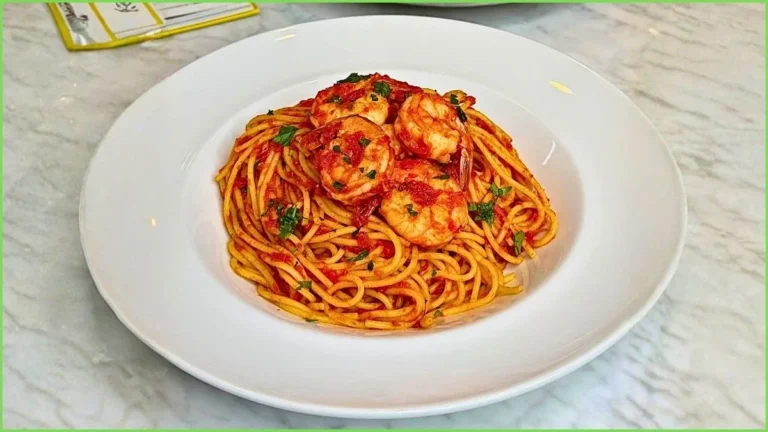

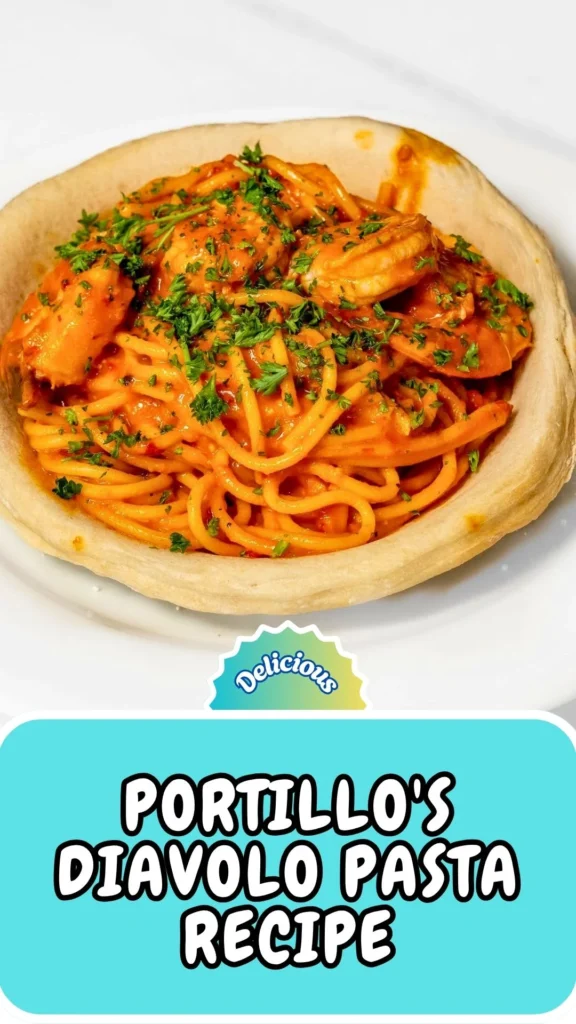
I still remember the first time I tried Portillo’s diavolo pasta – that fiery, garlicky tomato sauce clinging to perfectly cooked linguine, with plump shrimp tucked into every bite.
It’s the kind of dish that makes you close your eyes after the first forkful. If you’ve ever craved that same bold, spicy comfort but didn’t want to leave your kitchen, this Portillo’s diavolo pasta recipe recreates it beautifully.
The sauce is rich, slightly smoky from red pepper flakes, and balanced with fresh herbs and a splash of white wine. Quick note: this recipe comes together in under 45 minutes, making it perfect for a weeknight dinner that still feels special.
What Is Portillo’s Diavolo Pasta and Why Do Fans Love It?
Diavolo pasta – literally “devil’s style” pasta in Italian – is known for its spicy, tomato-based sauce that packs real heat without overwhelming the dish.
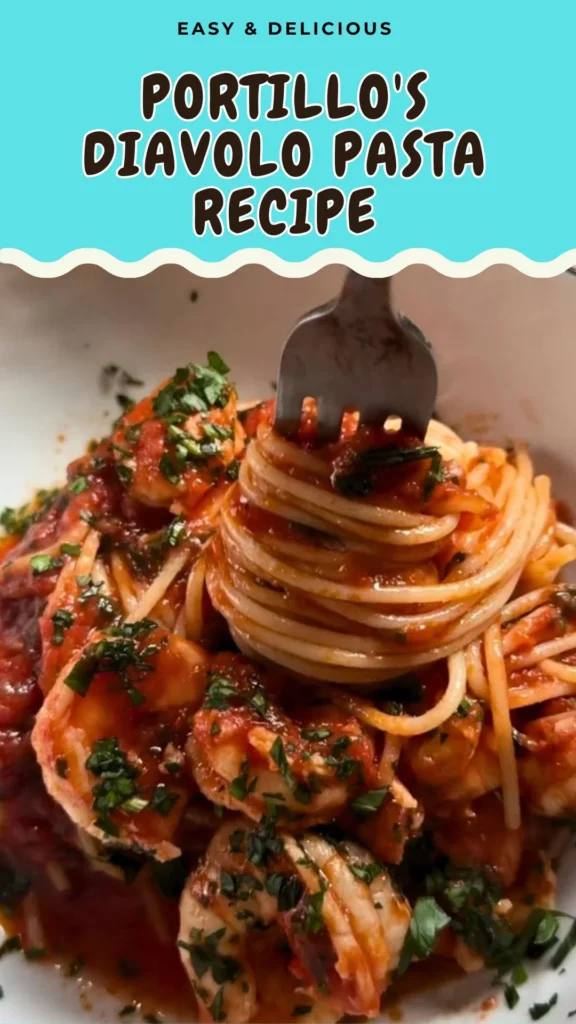
Portillo’s diavolo pasta takes this classic concept and layers it with sautéed shrimp, garlic, onion, and fresh herbs, creating a sauce that’s both fiery and deeply savory.
Compared to a standard marinara or arrabbiata, diavolo pasta leans heavier on red pepper flakes and often includes a splash of white wine for acidity and depth.
Fans love this dish because it hits every craving at once: comforting pasta, briny seafood, and a spicy kick that lingers just enough to keep you coming back for another bite. It’s simple, punchy, and endlessly satisfying.
The Nostalgic History Behind Diavolo Pasta
Diavolo-style sauces trace back to Italian-American kitchens, where cooks took the fiery arrabbiata tradition and adapted it with local ingredients like shrimp and heavier tomato bases.
Over the decades, “diavolo” became shorthand for any tomato sauce with a serious chili kick, often served with seafood. Portillo’s diavolo pasta became a beloved menu item precisely because it tapped into that nostalgic, red-sauce-joint feeling – hearty, spicy, and unpretentious.
Unlike newer fusion pasta dishes that lean on cream sauces or exotic spice blends, diavolo pasta stays rooted in simple, traditional flavors: tomatoes, garlic, chili, and herbs. That simplicity is exactly why it has remained a comfort-food classic rather than fading into a passing trend.
Key Ingredients That Give Portillo’s Diavolo Pasta Its Signature Flavor
The heart of any great Portillo’s diavolo pasta recipe lies in a handful of key ingredients working together. Red pepper flakes are non-negotiable – they build the “diavolo” heat that defines the dish, added in stages for layered spice.
Crushed tomatoes form the sauce’s rich, slightly sweet base, while a splash of dry white wine adds brightness and cuts through the richness.
Fresh garlic and onion create an aromatic foundation that makes the sauce taste homemade rather than jarred. Shrimp brings a briny sweetness that balances the heat perfectly, and fresh herbs like basil, parsley, and oregano tie everything together with an herbal freshness.
Finally, a generous topping of grated Parmesan or Romano cheese rounds out the flavor with salty, nutty depth. Together, these ingredients create the bold, spicy-savory profile that makes this dish so memorable.
Portillo’s Diavolo Pasta Recipe Ingredients
Here’s everything you’ll need for this Portillo’s diavolo pasta recipe:
- 12 ounces (340 g) linguine – the classic pasta shape for diavolo sauce, though spaghetti or fettuccine work as substitutes.
- 1 pound (450 g) large shrimp, peeled and deveined – the star protein; scallops or a mix of seafood can be substituted.
- 2 tablespoons olive oil, divided – used for both searing shrimp and building the sauce.
- Salt and freshly ground black pepper, to taste – for seasoning throughout.
- 3 teaspoons red pepper flakes, divided – the source of the “diavolo” heat; adjust up or down based on spice preference.
- 1 small onion, finely chopped – adds sweetness and depth to the sauce base.
- 1 sweet Marconi pepper or other mild pepper, diced (optional) – adds subtle sweetness and texture; bell pepper works as a substitute.
- 4–5 garlic cloves, minced – essential for the sauce’s aromatic backbone.
- 1 can (14 ounces/400 g) crushed tomatoes – the sauce’s base; San Marzano tomatoes are a great substitute for extra richness.
- ½ cup (120 ml) dry white wine – adds acidity; substitute with chicken broth if avoiding alcohol.
- 1 teaspoon fresh oregano, chopped (or ½ teaspoon dried) – for earthy, herbal flavor.
- 1–2 tablespoons chopped fresh basil – adds brightness at the end of cooking.
- 1–2 tablespoons chopped fresh parsley, plus extra for garnish – for fresh, herbal finish.
- A few dashes of hot sauce (optional) – for extra heat if desired.
- Freshly grated Parmesan or Romano cheese, for serving – adds salty, savory richness.
Tools You Need to Make This Recipe at Home
To make this Portillo’s diavolo pasta recipe, you’ll need:
- Large skillet or sauté pan
- Large pot for boiling pasta
- Colander for draining
- Sharp knife and cutting board
- Wooden spoon or silicone spatula
- Measuring cups and spoons
- Tongs (for tossing pasta)
Preparation and Cooking Time
Prep time: 15 minutes
Cook time: 25 minutes
Total time: 40 minutes
Copycat Portillo’s Diavolo Pasta Recipe
1. Cook the shrimp
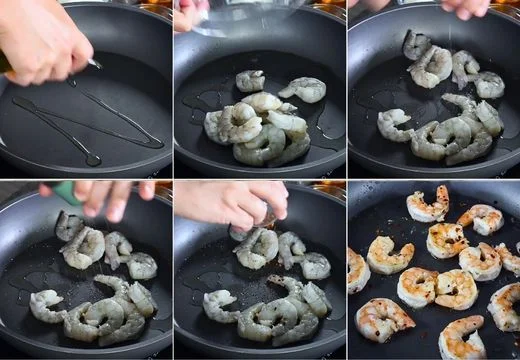
Heat 1 tablespoon of olive oil in a large skillet over medium heat. Add the shrimp and season with salt, pepper, and 1 teaspoon of red pepper flakes. Cook for 2–3 minutes per side until pink and opaque. Transfer to a plate.
2. Sauté the aromatics
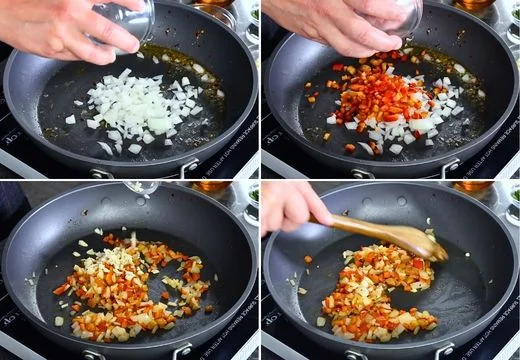
Add the remaining olive oil to the skillet if needed. Sauté the onion and optional Marconi pepper for about 5 minutes, until softened. Stir in the garlic and cook for 30 seconds, until fragrant.
3. Build the sauce
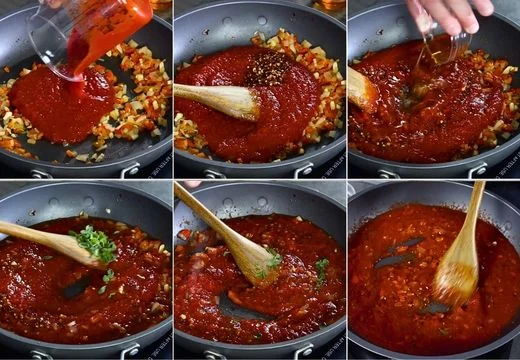
Add the crushed tomatoes, remaining red pepper flakes, white wine, oregano, salt, and pepper. Add a few dashes of hot sauce if desired. Simmer for at least 10 minutes, stirring occasionally.
4. Cook the pasta
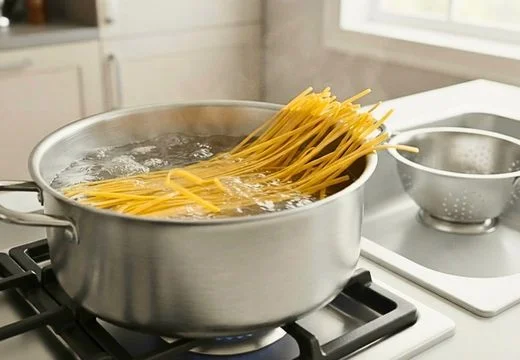
Meanwhile, cook the linguine according to package directions until al dente. Drain well.
5. Finish the dish
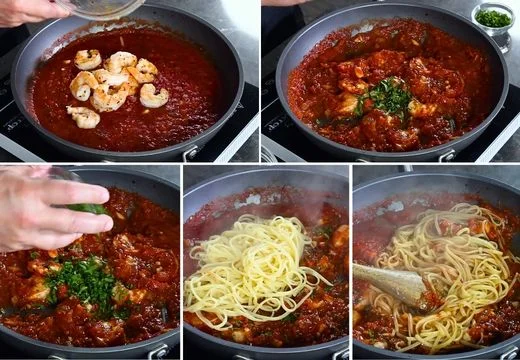
Return the shrimp to the sauce and heat through. Remove the skillet from heat and stir in the basil and parsley. Add the cooked linguine and toss until evenly coated.
6. Serve
Garnish with extra parsley, additional red pepper flakes if desired,
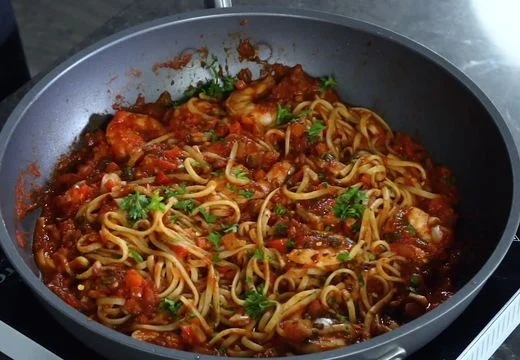
and plenty of grated Parmesan or Romano cheese.
Pro Tips for Getting the Flavor Just Right
The biggest mistake people make with a Portillo’s diavolo pasta recipe is overcooking the shrimp – once they curl tightly and turn rubbery, they’ve gone too far.
Pull them off the heat the moment they turn pink and opaque; they’ll finish cooking gently when returned to the sauce later. Another key tip: add the red pepper flakes in stages, as the recipe suggests, rather than all at once.
This builds layered heat instead of one-note spiciness, and lets you taste and adjust as you go. Don’t skip the white wine – it deglazes the pan and adds acidity that balances the richness of the tomatoes and cheese.
Always reserve a splash of pasta water before draining; if your sauce looks too thick after tossing in the linguine, a little starchy water loosens it perfectly.
Finally, add fresh herbs like basil and parsley off the heat, not during simmering, so they stay bright and aromatic rather than wilting into the sauce. These small details are what separate a good diavolo pasta from a truly great one.
Easy Variations to Customize This Food
This Portillo’s diavolo pasta recipe is easy to adapt to your taste. Swap shrimp for scallops, chicken, or even a plant-based protein for a different spin. For extra creaminess, stir in a splash of heavy cream at the end to mellow the heat slightly.
Vegetarians can skip the seafood entirely and add sautéed mushrooms or white beans for texture. If you love extra heat, add a diced fresh chili alongside the red pepper flakes, or finish with chili oil instead of plain olive oil.
Gluten-free eaters can substitute the linguine with your favorite gluten-free pasta without losing any of the sauce’s signature flavor.
Best Ways to Serve This Diavolo Pasta in Your Meals
Portillo’s diavolo pasta shines as a standalone main course, but a few simple additions turn it into a complete meal. Serve it alongside crusty garlic bread to soak up every bit of the spicy tomato sauce – it’s practically essential.
A crisp side salad with a light lemon vinaigrette helps balance the richness and heat of the dish. For a heartier spread, pair it with roasted vegetables like zucchini, asparagus, or broccolini, which add color and freshness to the plate.
If you’re serving guests, this diavolo pasta works beautifully as part of an Italian-style dinner, alongside antipasto bites like marinated olives, cured meats, or bruschetta. A glass of the same dry white wine used in the sauce makes a natural pairing, though a light-bodied red like Chianti also complements the spice well.
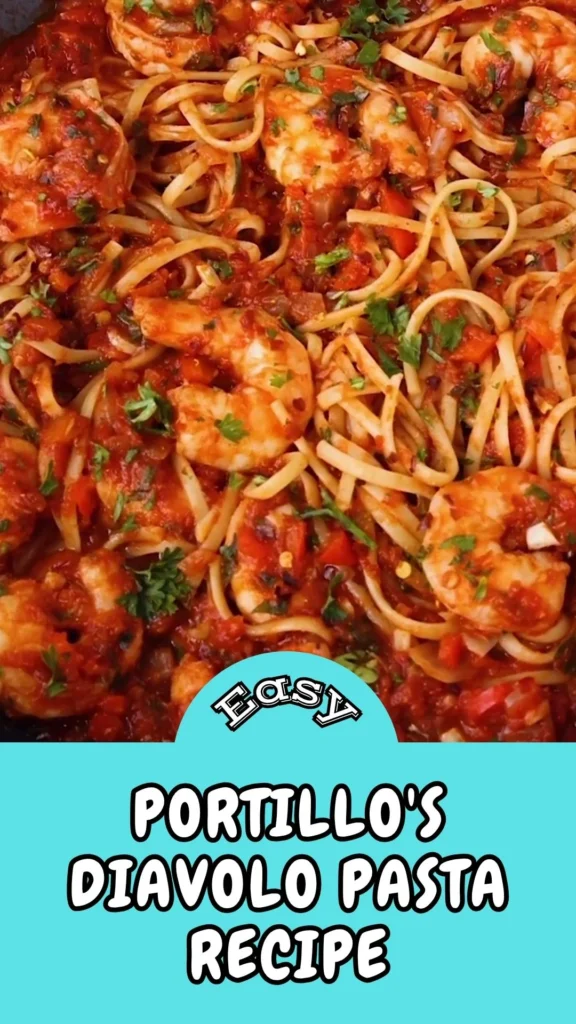
For a family-style dinner, serve it straight from the skillet at the table, letting everyone help themselves and pile on extra Parmesan. However you serve it, this dish delivers restaurant-quality flavor with minimal effort.
How to Store and Keep It Fresh
Store leftover Portillo’s diavolo pasta in an airtight container in the refrigerator for up to 3 days. To reheat, warm it gently in a skillet over medium-low heat with a splash of water or broth to loosen the sauce, stirring occasionally until heated through.
Avoid microwaving on high heat, as it can make the shrimp rubbery. Freezing isn’t recommended, since the shrimp and pasta texture can suffer once thawed.
Nutrition Facts and Dietary Notes
One serving of this Portillo’s diavolo pasta recipe contains approximately 480–520 calories, depending on portion size and cheese topping.
It’s naturally high in protein thanks to the shrimp, and the tomato-based sauce keeps it lower in fat compared to cream-based pastas.
For a gluten-free version, use gluten-free linguine. To make it dairy-free, simply omit the Parmesan or use a plant-based alternative.
The dish also offers antioxidants from the tomatoes and capsaicin from the red pepper flakes, which may support metabolism.
Portillo's Diavolo Pasta Recipe
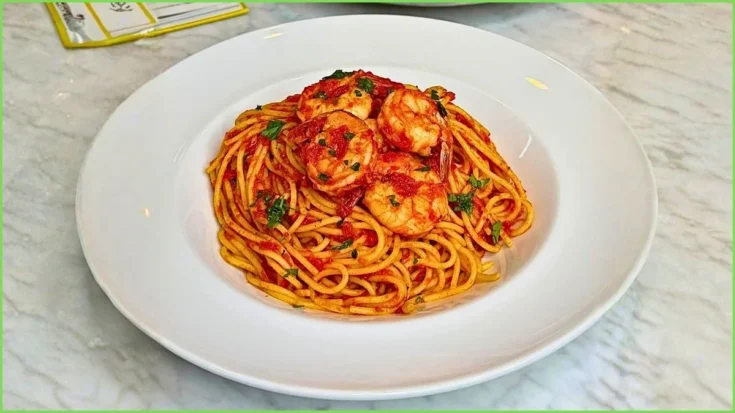
I still remember the first time I tried Portillo’s diavolo pasta – that fiery, garlicky tomato sauce clinging to perfectly cooked linguine, with plump shrimp tucked into every bite.
Ingredients
- 12 ounces (340 g) linguine
- 1 pound (450 g) large shrimp
- 2 tablespoons olive oil
- Salt and freshly ground black pepper
- 3 teaspoons red pepper flakes
- 1 small onion
- 1 sweet Marconi pepper or other mild pepper
- 4–5 garlic cloves
- 1 can (14 ounces/400 g) crushed tomatoes
- ½ cup (120 ml) dry white wine or chicken broth
- 1 teaspoon fresh oregano
- 1–2 tablespoons chopped fresh basil
- 1–2 tablespoons chopped fresh parsley
- A few dashes of hot sauce
- Freshly grated Parmesan or Romano cheese
Instructions
1. Cook the shrimp
Heat 1 tablespoon of olive oil in a large skillet over medium heat. Add the shrimp and season with salt, pepper, and 1 teaspoon of red pepper flakes. Cook for 2–3 minutes per side until pink and opaque. Transfer to a plate.
2. Sauté the aromatics
Add the remaining olive oil to the skillet if needed. Sauté the onion and optional Marconi pepper for about 5 minutes, until softened. Stir in the garlic and cook for 30 seconds, until fragrant.
3. Build the sauce
Add the crushed tomatoes, remaining red pepper flakes, white wine, oregano, salt, and pepper. Add a few dashes of hot sauce if desired. Simmer for at least 10 minutes, stirring occasionally.
4. Cook the pasta
Meanwhile, cook the linguine according to package directions until al dente. Drain well.
5. Finish the dish
Return the shrimp to the sauce and heat through. Remove the skillet from heat and stir in the basil and parsley. Add the cooked linguine and toss until evenly coated.
6. Serve
Garnish with extra parsley, additional red pepper flakes if desired, and plenty of grated Parmesan or Romano cheese.
Notes
Store leftover Portillo’s diavolo pasta in an airtight container in the refrigerator for up to 3 days. To reheat, warm it gently in a skillet over medium-low heat with a splash of water or broth to loosen the sauce, stirring occasionally until heated through.
Avoid microwaving on high heat, as it can make the shrimp rubbery. Freezing isn’t recommended, since the shrimp and pasta texture can suffer once thawed.
Nutrition Information:
Yield:
4Serving Size:
1Amount Per Serving: Calories: 480
Portillo’s Diavolo Pasta Recipe FAQs
When you give this Portillo’s Diavolo Pasta Recipe a try, you might have a few questions. Don’t worry-we’ve rounded up answers to the most common ones to help you out.
1. Is Portillo’s diavolo pasta very spicy?
It has a noticeable kick from red pepper flakes, but you can easily adjust the heat up or down to suit your preference.
2. Can I make this diavolo pasta ahead of time?
Yes, the sauce can be made a day ahead and reheated; just cook the pasta and shrimp fresh before serving for the best texture.
3. What can I use instead of shrimp?
Scallops, chicken, or sautéed mushrooms all work well as substitutes in this recipe.
4. Do I have to use white wine?
No, you can substitute chicken broth for a similar depth of flavor without the alcohol.
5. What pasta shape works best for diavolo sauce?
Linguine is traditional, but spaghetti, fettuccine, or penne all pair nicely with this sauce.
And there you have it – a Portillo’s diavolo pasta recipe that brings bold, spicy, restaurant-style flavor straight to your kitchen. Whether you’re recreating a favorite memory or trying diavolo pasta for the first time, this dish is sure to become a regular in your dinner rotation.
Give it a try, and let me know in the comments how it turned out! Looking for more comforting pasta recipes? Browse the recipe index for more ideas to satisfy your next craving.
You can also follow us on Pinterest, and YouTube for more delicious updates and kitchen inspiration. Your feedback and support mean the world to us!